Oct 19, 2026Woltman Cold Hot Water Meter
Woltman Water Meter Maintenance: Symptoms, Causes and Field Fixes
Why a Woltman meter reads low, stops registering or over-reads, what each symptom points to, and the maintenance that keeps it accurate.
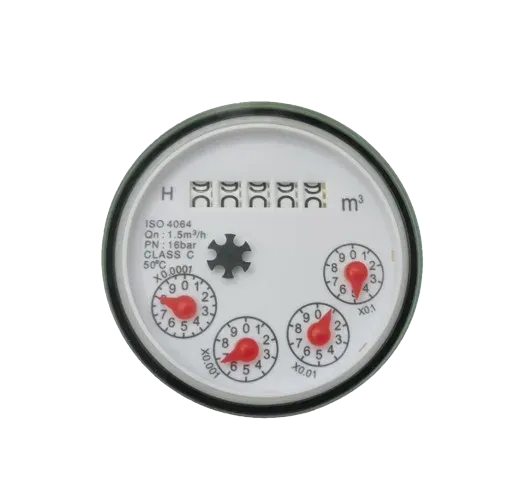
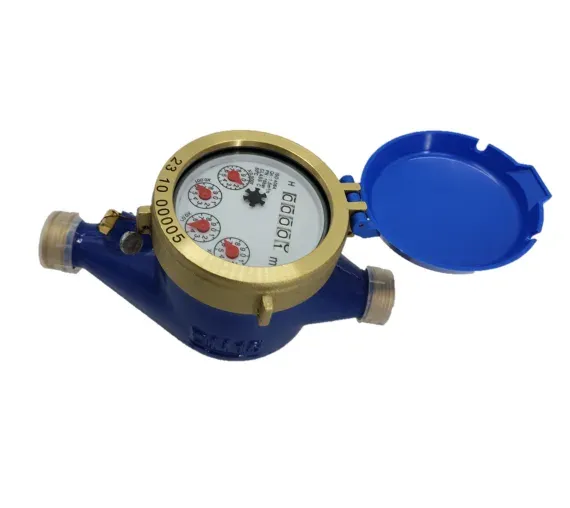
Woltman meters are durable, but they are mechanical and the failure modes are predictable. Most field problems show up as one of three reading symptoms, and each points to a small number of causes. Working through them in order avoids replacing a meter that only needed cleaning.
Symptom 1: the meter reads low at normal flow
The turbine is turning but slower than the water passing it. In order of likelihood:
Debris on the rotor. Scale, sand or pipe sediment collects on the turbine blades or in the bearing and adds drag. This is the most common cause in new installations and after any pipe repair. Removing the measuring unit and cleaning it usually restores the reading.
Worn bearing. After years of service the bearing wears and the rotor sits lower or turns with more friction. A worn bearing shows up as a gradual loss of accuracy at low flow first, then at all flows. The measuring unit is replaceable without replacing the body.
Disturbed flow upstream. If the reading was correct at commissioning and fell away after nearby pipework changed - a new valve, a pump, a partially closed fitting - the cause is the pipework, not the meter. Check for a valve or elbow that has been introduced inside the straight-run length.
Symptom 2: the meter does not register at all
A completely static register on a line with confirmed flow almost always means the rotor is physically blocked - a stone, a piece of scale or a foreign object jammed against the turbine. On a dry line it can also mean the meter is air-locked: air passing through does not drive the rotor the way water does, and the reading stays flat.
Before removing the meter, confirm there is actually water moving: a partly closed valve or a closed isolation valve upstream produces exactly the same symptom.
Symptom 3: the meter over-reads
Over-reading is less common and usually points to air in the line or to a system effect rather than meter wear. Air entrained in the water spins the turbine faster than the true volume, so the meter records more than has passed. Look for a pump drawing air, a falling pipe section where air collects, or a system that is being refilled. Vent the line and, if the problem repeats, address the air source - the meter is usually reporting correctly what it sees.
Routine maintenance that prevents most of this
Flush new pipework before fitting the meter, and keep the strainer in place where the specification calls for one. Check the strainer on a schedule that matches the water quality; a strainer left for years becomes the debris source it was meant to stop. Compare the meter reading against a known volume once a year, which catches bearing wear while it is still a small error.
Because the measuring unit on this range is removable, cleaning and bearing replacement can be done without cutting the meter out of the line. That is one of the practical advantages of the design, and it is worth keeping a spare measuring unit on site for critical metering points.