Oct 19, 2026Woltman Cold Hot Water Meter
Woltman Water Meter Selection Guide: Sizing, Body Material and Pulse Output
How to specify a Woltman turbine meter: DN sizing from DN50 up, body material choice, register types, and when to add pulse or RS485 output.
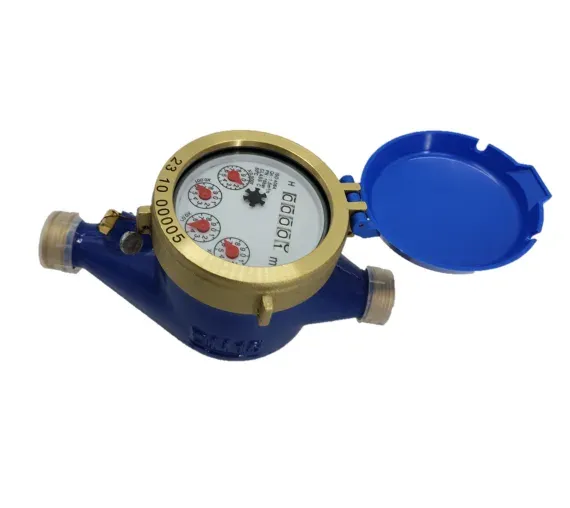
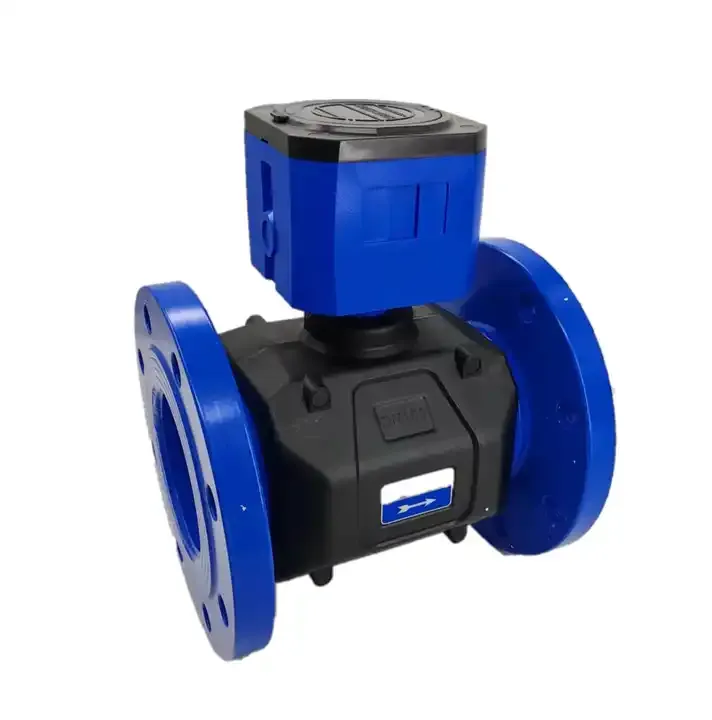
A Woltman meter - also called a turbine or propeller meter - is the standard choice once a pipeline is too large for a domestic multi-jet or single-jet meter. It measures flow through the speed of a rotating turbine, which gives a high flow capacity with a small pressure loss. This guide covers the four decisions that matter when you specify one.
1. Start from the pipe size, not the flow rate
Woltman meters are normally supplied from DN50 upward. The meter body must match the nominal diameter of the pipe so the flange faces align without reducers: a DN80 line needs a DN80 meter. The LXXG(R) series covers DN50, 65, 80, 100, 125, 150, 200, 250 and 300, and larger sizes are built to order. Reducers add turbulence directly upstream of the turbine, which is the most common cause of a new meter reading low.
If the pipe is much larger than the expected flow, do not simply fit a large meter. A large turbine turns too slowly at low flow and drops out of its accuracy band. In that case a smaller meter on a bypass, or a different measuring principle such as ultrasonic, is the better engineering answer.
2. Body material follows the water, not the price
Cast iron is the standard for clean cold and hot water in irrigation, municipality and building supply. Nodular cast iron (ductile iron) is used where the pipeline sees higher pressure or mechanical stress, because it resists cracking better than grey iron. Stainless steel is chosen for corrosive water, treated water, food-grade applications and where the buyer's specification requires it. The wetted measuring unit is the same design across these bodies, so the material choice changes service life, not accuracy.
3. Choose the register and the reading method
The register is the part you actually read, and it is where most specification mistakes happen. Three options are usual on this range:
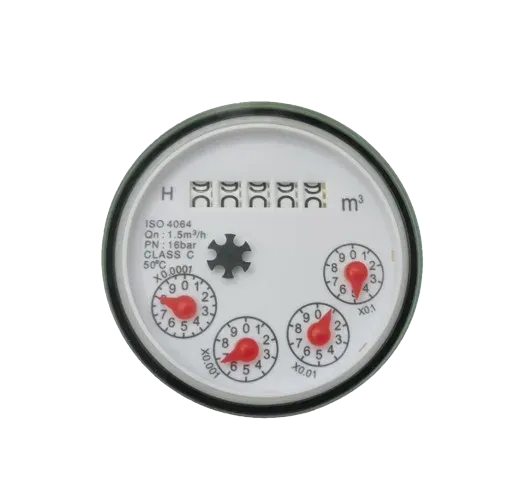
Dry-dial register - the dial is sealed from the water by magnetic drive. It stays clear when condensation forms inside the body, and is the common choice for cold water.
Liquid-sealed register - the dial sits in a liquid-filled capsule, which keeps the reading clear and resists frost. It is often specified for hot water and for installations exposed to low temperatures.
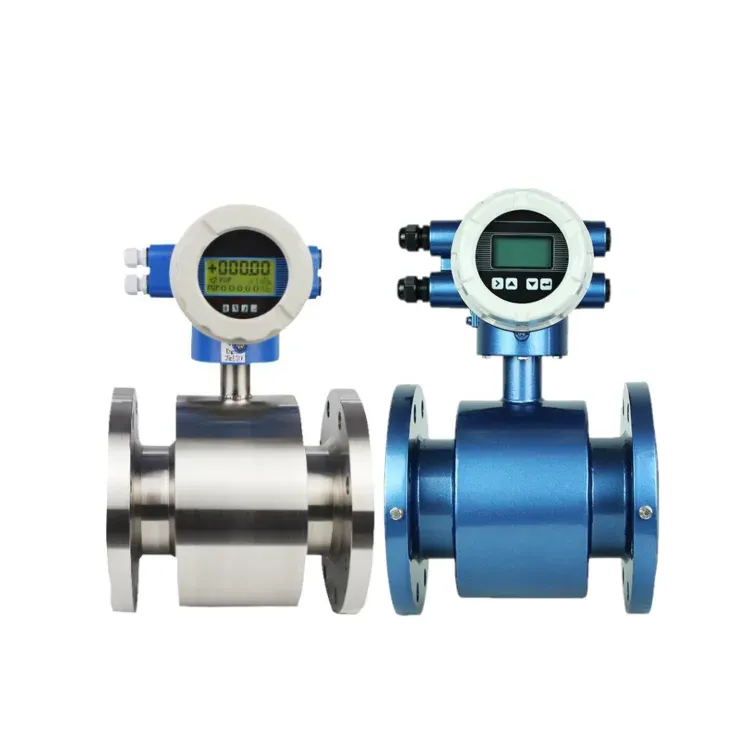
Remote or pulse output - a reed switch or Hall sensor produces a pulse per unit of volume. If the meter will ever feed a remote reading system, specify the pulse output at the time of order; retrofitting it is not practical on a sealed register.
4. Confirm the pressure and temperature range
Standard working pressure across this range is PN10, PN16 or PN25 depending on the body and size - confirm which applies to the exact model before ordering, because it changes the flange drilling. Cold water meters are rated for water up to 50 C, hot water meters up to 90 C. If the line can exceed these values, the meter needs a different specification, not a higher pressure class.
What to send us for a quotation
To quote accurately we need: nominal diameter (DN), body material, water temperature (cold or hot), maximum working pressure, register type, whether pulse or RS485 output is required, flange standard, and the destination market. With those seven points we can confirm the model, the flange drilling and the packing.